How to Repair Damaged Concrete Guide
Are you wondering how to repair damaged concrete on your building’s façade? Flaking, spalling, and crumbling concrete is a safety risk and can lead to expensive structural problems if left unattended. RestoreWorks has been helping building owners in the Chicago metropolitan area with commercial concrete façade repair for over thirty years, and we serve a range of industries.
The RestoreWorks service offering includes more than concrete façade repair. Our
masonry restoration mock-up service allows you to see the results of our
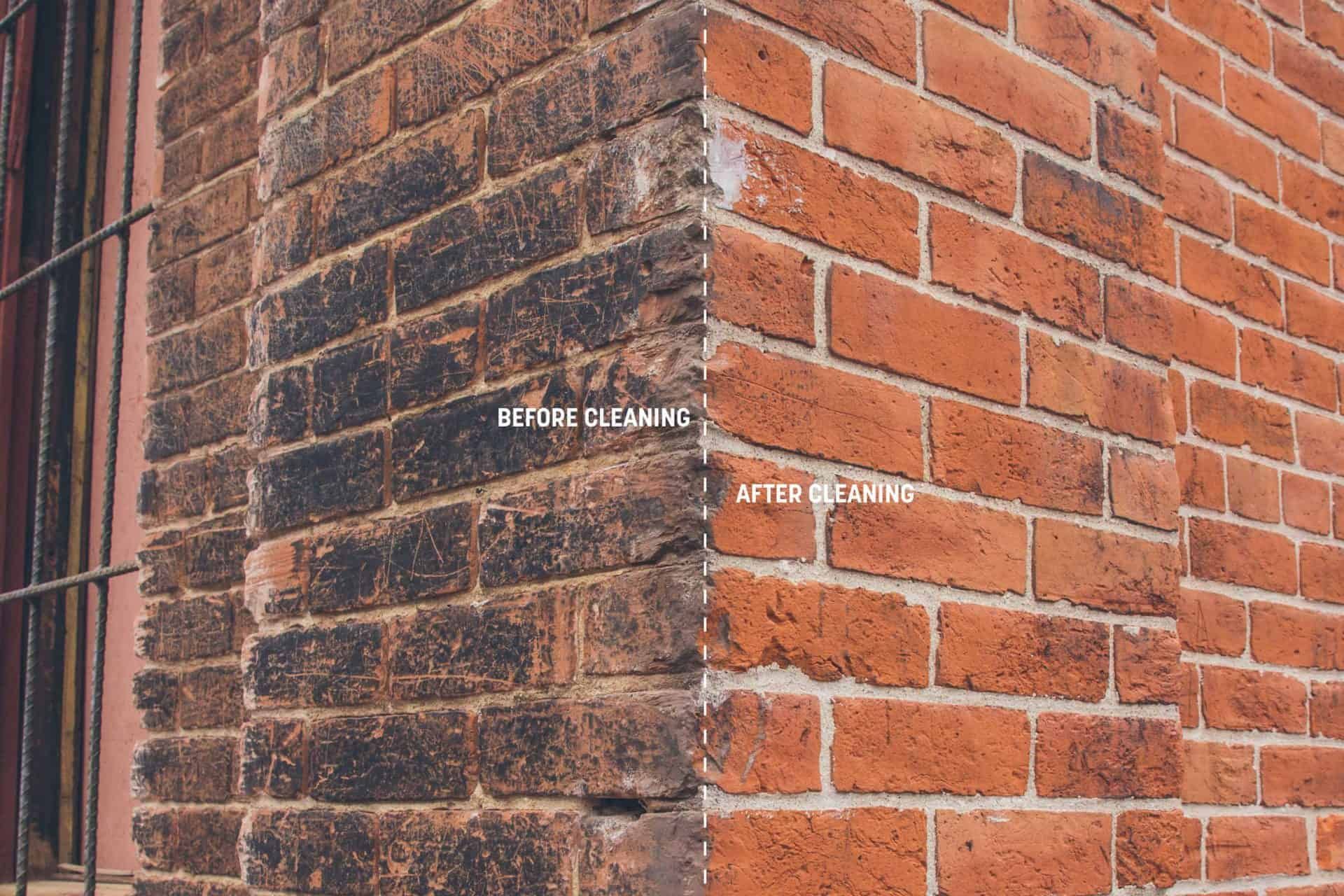
restorative masonry cleaning,
masonry restoration services, and
commercial tuckpointing services before you commit to a full-scale project.
In this article, we identify common concrete façade problems, share RestoreWorks’ repair techniques, and highlight a few benefits of concrete façade maintenance.
Identifying Common Façade Problems
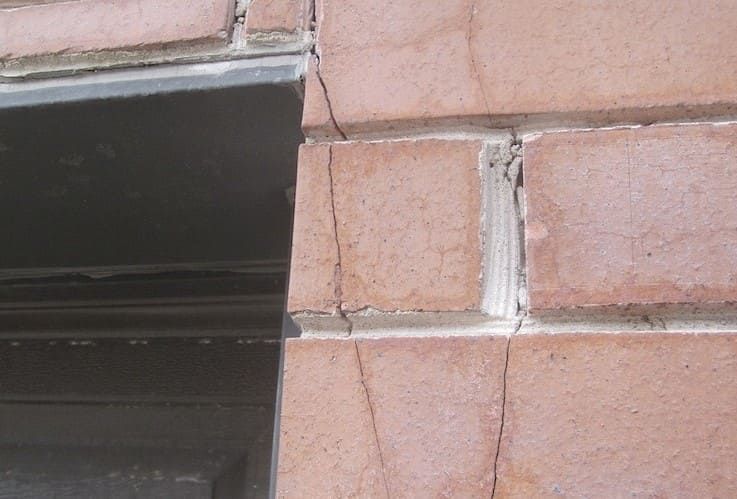
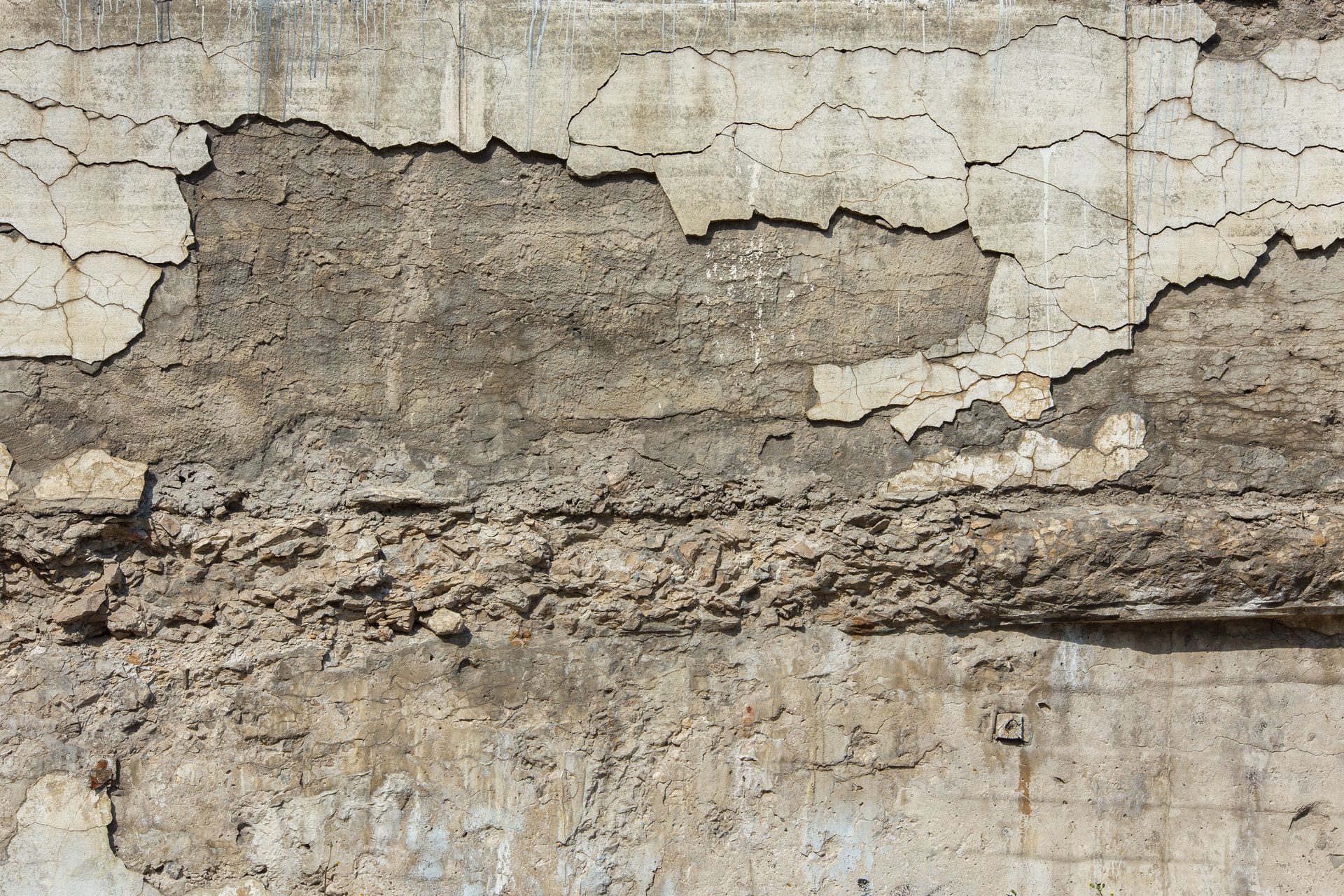
Identify common façade problems and appoint a professional company to make the necessary repairs. Are there sections of your building where concrete is flaking or breaking away from the main structure? Concrete deteriorates for various reasons, and it is important to determine the root cause and extent of the damage.
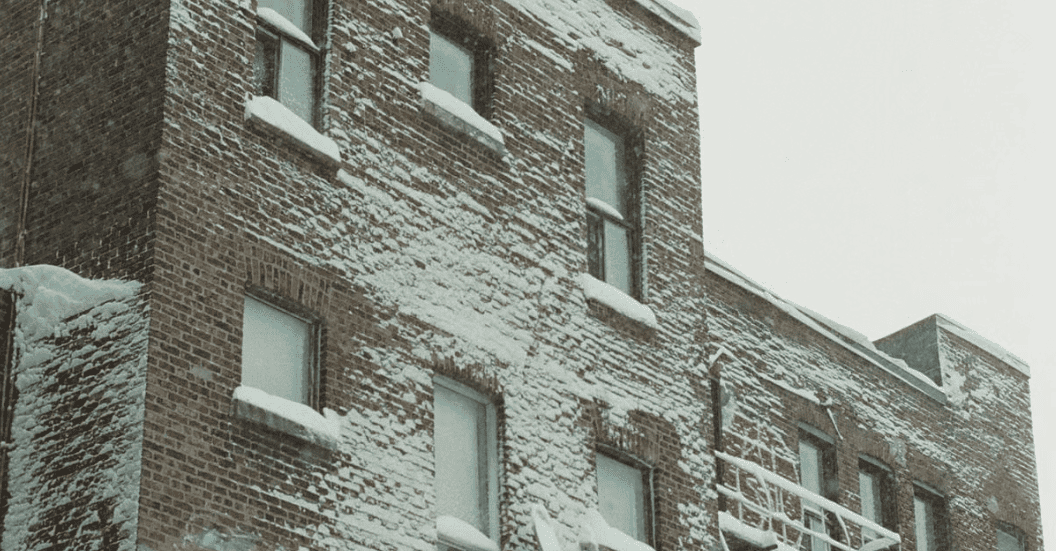
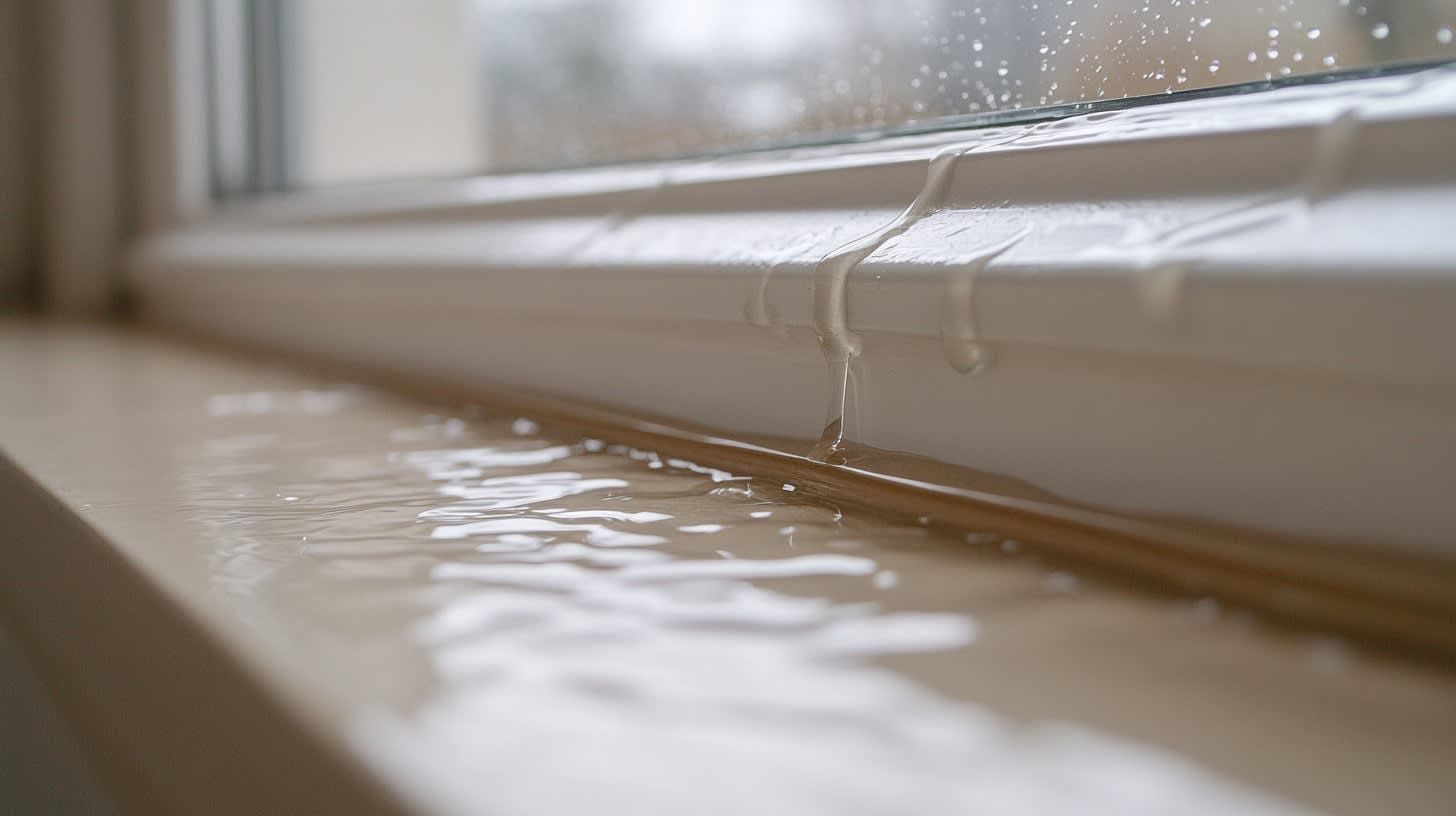
Water penetration from snow or rain is one of the common causes of façade problems. It corrodes the rebar and other metals embedded in the structure, which eventually causes spalling, delamination, and cracking in the surrounding concrete. Water inside a façade also affects the concrete after successive freeze-thaw cycles, causing cracking, crumbling, and scaling. Other issues that cause façade problems include exposure to chemicals, inferior concrete, and a lack of protective coating.
Effective Techniques for Façade Concrete Repair
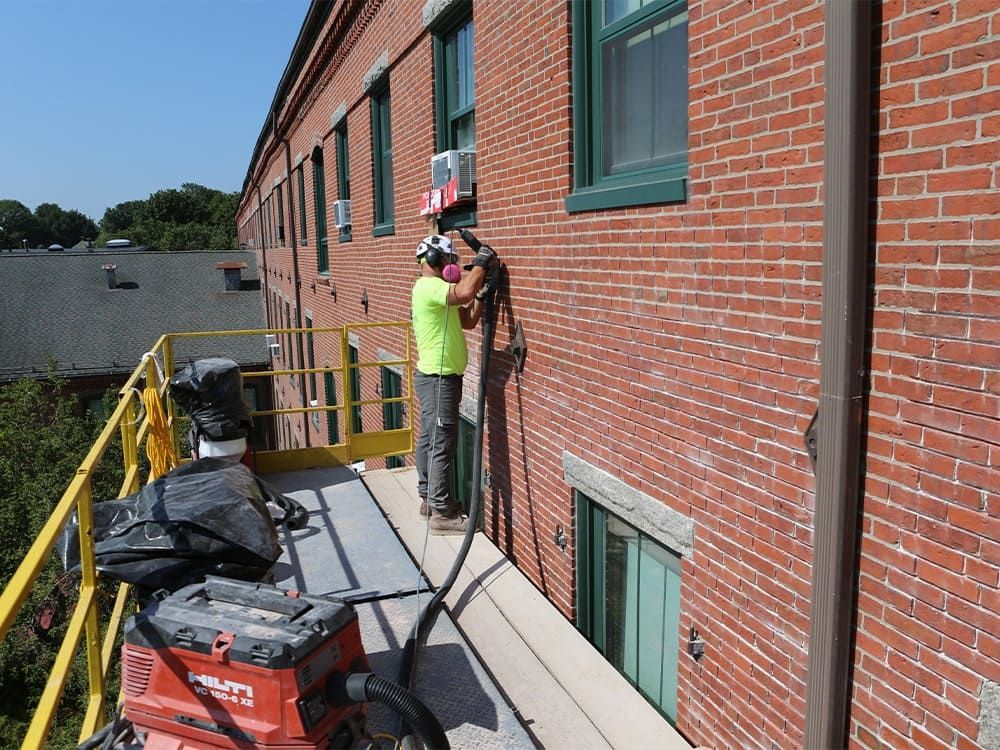
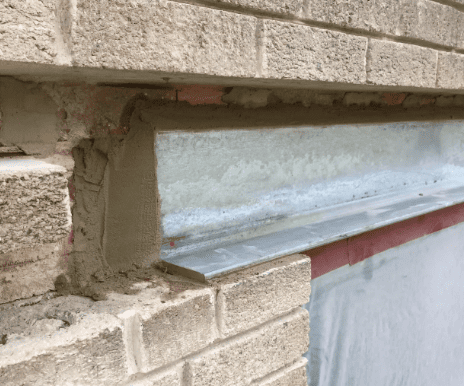
RestoreWorks is an expert at concrete façade repair, and once we assess the cause and extent of the damage, we develop a repair plan. Our aim is to restore the building’s façade to its original condition and potentially improve it. When the client approves the façade restoration plan, we follow the standard repair process, which includes the following steps:
- We cut the damaged concrete’s perimeter.
- Expose and get behind the reinforcing bars (rebar) to clean and coat the exposed steel.
- The oxidized rebar is wire-wheeled, primed, and coated.
- Install supplemental anchors and patch pins.
- Hand-form the concrete to close the section.
- Set up a form for large areas before pouring the concrete.
- Coat and finish the concrete to the desired aesthetic.
Benefits of Quality Façade Maintenance
There are reputational and financial benefits to regular façade maintenance performed by a professional company. Concrete falling from a height can hurt a passerby, and mold caused by water penetration could release spores into the building’s heating, ventilation, and air-conditioning (HVAC) system, leading to allergies and respiratory problems. Quality concrete façade maintenance will limit the possibility of this happening, protecting not only the people moving inside and around the building but also the owner’s reputation.
Consistently performing concrete façade repairs ensures the building’s structural integrity stays intact, preserving its financial value and minimizing the likelihood of increased insurance premiums due to a lack of regular maintenance.
Achieving Optimal Results with Professional Façade Restoration
Achieve optimal concrete façade restoration results with the assistance of RestoreWorks. We work on historic, government, residential, and commercial buildings, as well as museums, schools, universities, hospitals, and churches. Safety is a top priority at RestoreWorks, and we are committed to maintaining a safe work environment while ensuring the highest quality standards.
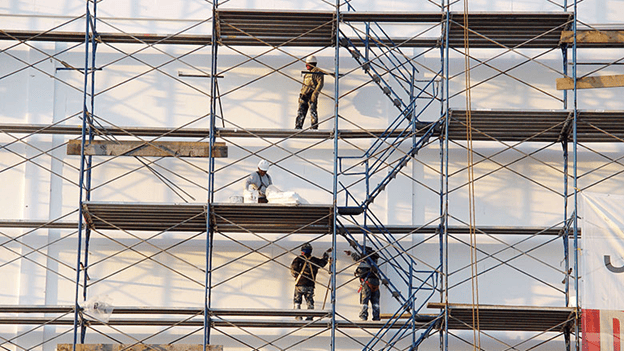
We have a low Experience Modification Rate (EMR) score and conduct regular safety training sessions to keep up with the latest safety standards and protocols, especially as it relates to working at heights. Although we focus on Chicago projects, we have also worked in Oahu, Hawaii, New York City, and Houston, Texas.
RestoreWorks is a commercial masonry restoration and restorative cleaning company with a mission to make buildings better by returning value and restoring pride. We know how to repair damaged concrete façades.
Contact us today for concrete façade repair and restoration services.