The Importance of Historic Masonry Restoration
Historic masonry restoration is essential to preserve the rich history of Chicagoland. Thousands of historic buildings are still occupied today, including the Monadnock Building, which, although completed in 1891, still serves as one of the most famous examples of masonry in Chicago.
Although the RestoreWorks team has not worked on the Monadnock, we have been privileged to work on several other historic buildings in Chicago and surrounding areas. RestoreWorks specializes in commercial
masonry restoration services, offering expert repair and restoration for damaged brick, terra cotta, and stone on any part of a building. In this article, we discuss the importance of historic masonry restoration in more detail.
What is Historical Masonry Restoration?
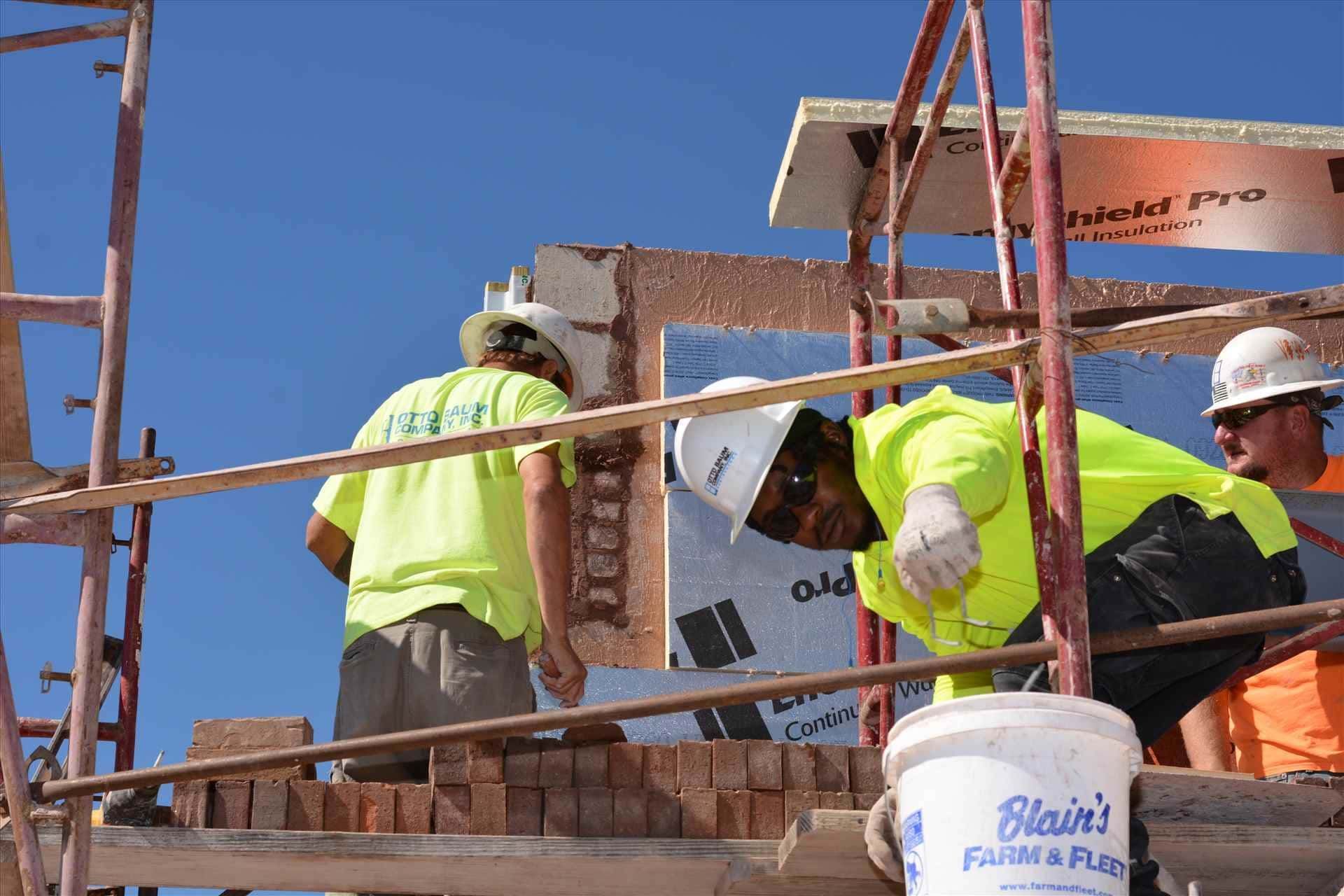
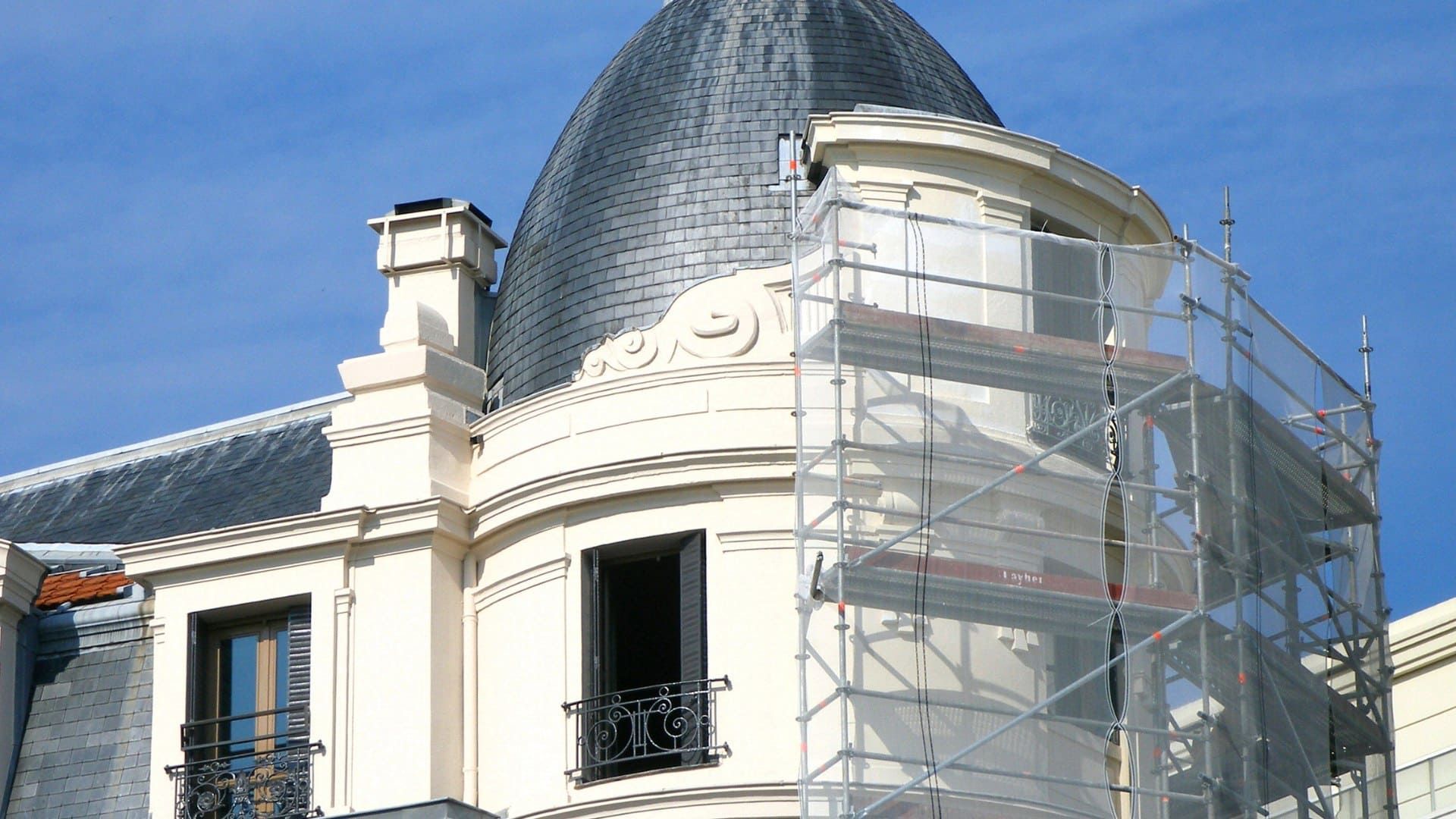
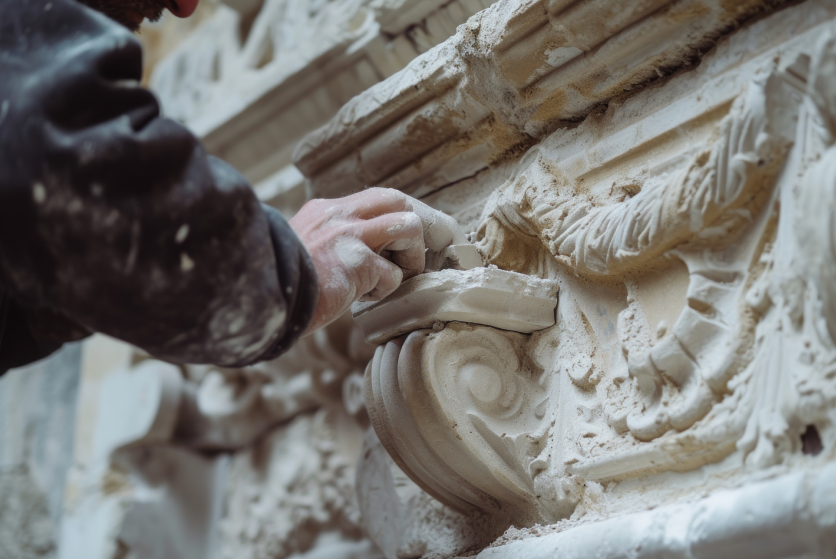
RestoreWorks excels at making older buildings look historically accurate by meticulously restoring masonry work to its original glory. But what is historical masonry restoration? It is the process of repairing, restoring, rehabilitating, and maintaining the facades of historic masonry buildings to preserve their structural stability, original appearance, and longevity.
The Mason Contractors Association of America (MCAA) states that brick, terra cotta, stone, concrete block, and cast stone are primary historic masonry materials, while mortar serves as a secondary material. RestoreWorks has more than thirty years of experience in the industry, giving us a unique understanding of what it takes to preserve the integrity of historic masonry buildings.
Why Restoring Historic Buildings is Important
The International Masonry Institute (IMI) defines historic as “buildings 50 years of age or greater with significance architecturally or culturally.” There are many reasons to restore older buildings. It honors our heritage, preserves communities, and gives future generations an understanding of the past. Restoring historic buildings is also about sustainability, as they can be repurposed to fit new societal needs while their continued existence reduces landfill waste. The National Parks Service (NPS) offers extensive guidance and technical preservation information to make historic properties more sustainable, energy-efficient, and resilient while preserving their historic character.
Why else should we restore and protect the masonry of historic buildings?
It is a Key Factor in Preventing Building Deterioration
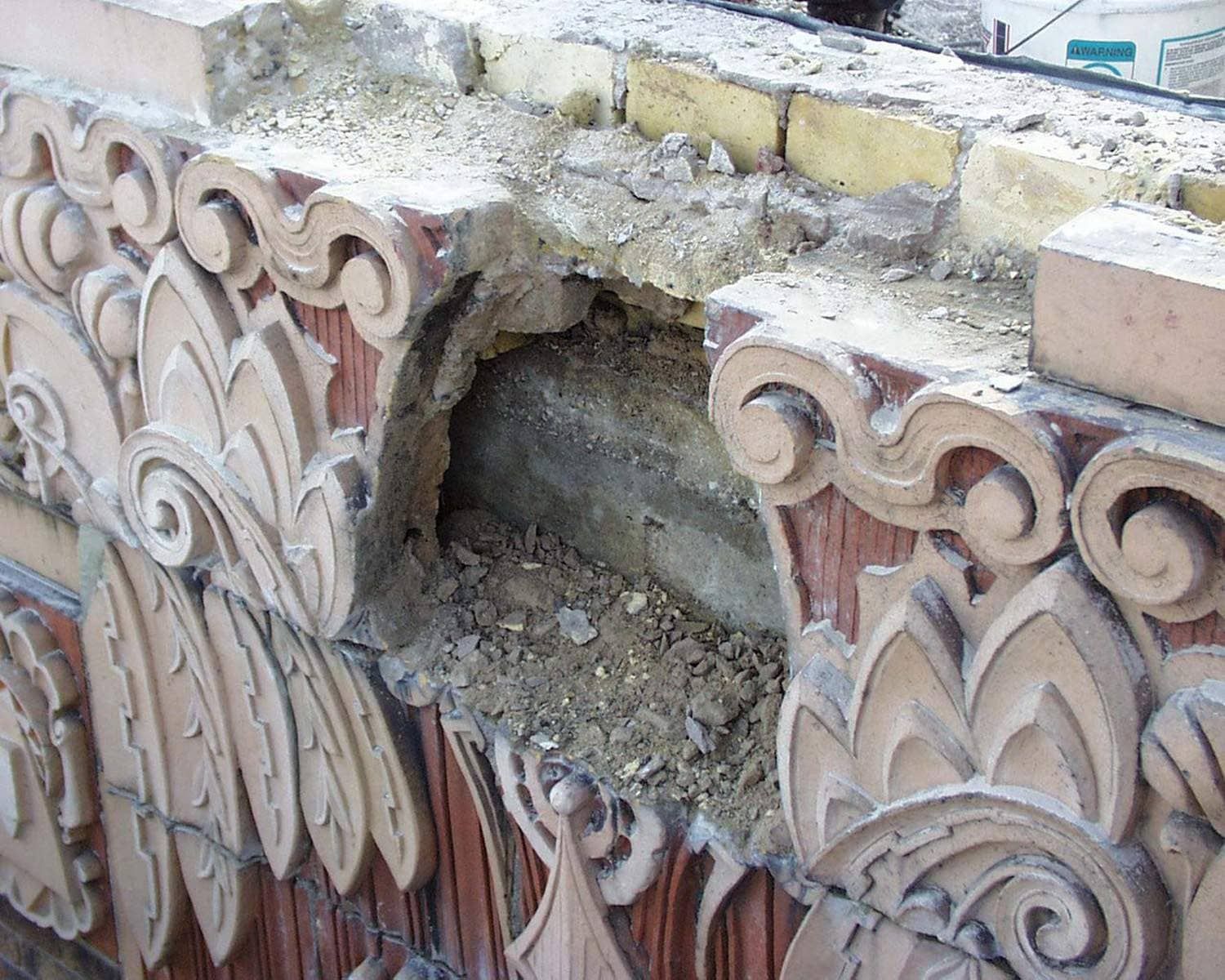
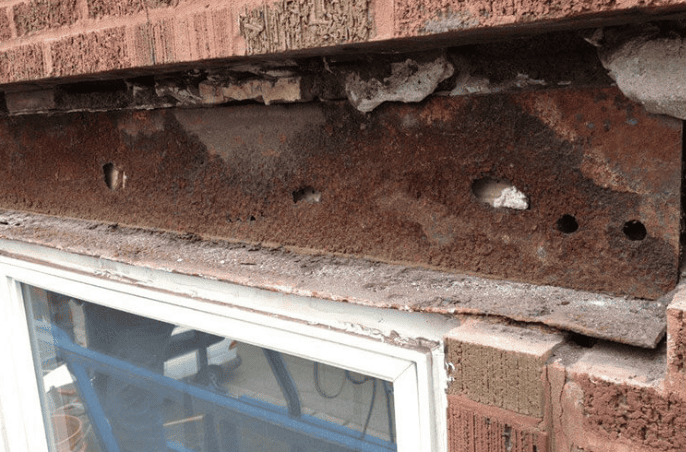
Extreme weather conditions, UV radiation exposure, tensile stresses, water infiltration, and incorrect treatments are just some of the factors contributing to the deterioration of a building’s external structure. Water infiltration is the most common source of deterioration and is often undetected until it causes sudden failures. For example, masonry gets damaged when water expands and contracts while freezing, and the water could ultimately corrode the internal steel structure.
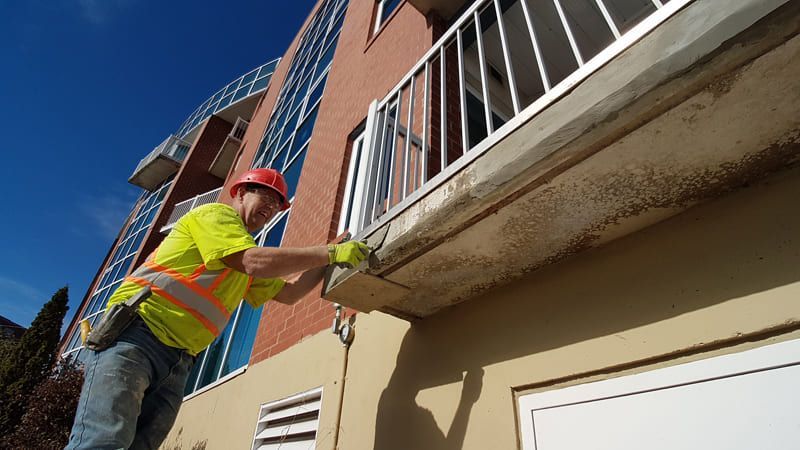
Many historic buildings use brick veneer, but even well-maintained bricks can experience cracking or chipping due to structural stress or the weather. Repairs performed by RestoreWorks prevent building deterioration by preserving its structural integrity, ensuring it continues to be usable for future decades.
Restoring Old Brick Buildings Maintains Durability
Materials such as stone, terra cotta, and masonry bricks are durable despite exposure to the elements but must be maintained to continue performing at their best. The longevity of historic buildings is enhanced when the masonry repair materials used during the restoration process are compatible with the existing historic masonry materials in composition and property.
RestoreWorks is experienced in restoring old brick buildings, as the project we completed at the
Indiana School for the Blind and Visually Impaired in Indianapolis, IN, shows. Our scope of work was extensive and included brick and terra cotta restoration.
It Ensures Building Stability and Long-Term Value
Routine masonry maintenance is cost-efficient as it enhances the historic building’s value, protects it against potential liabilities, and promotes a positive brand reputation. Older masonry buildings experience gradual deterioration and discoloration, which changes their overall appearance. It is easy for people to perceive a historic building as dilapidated unless it is well-maintained.
Another significant project the RestoreWorks team worked on was the restoration of the
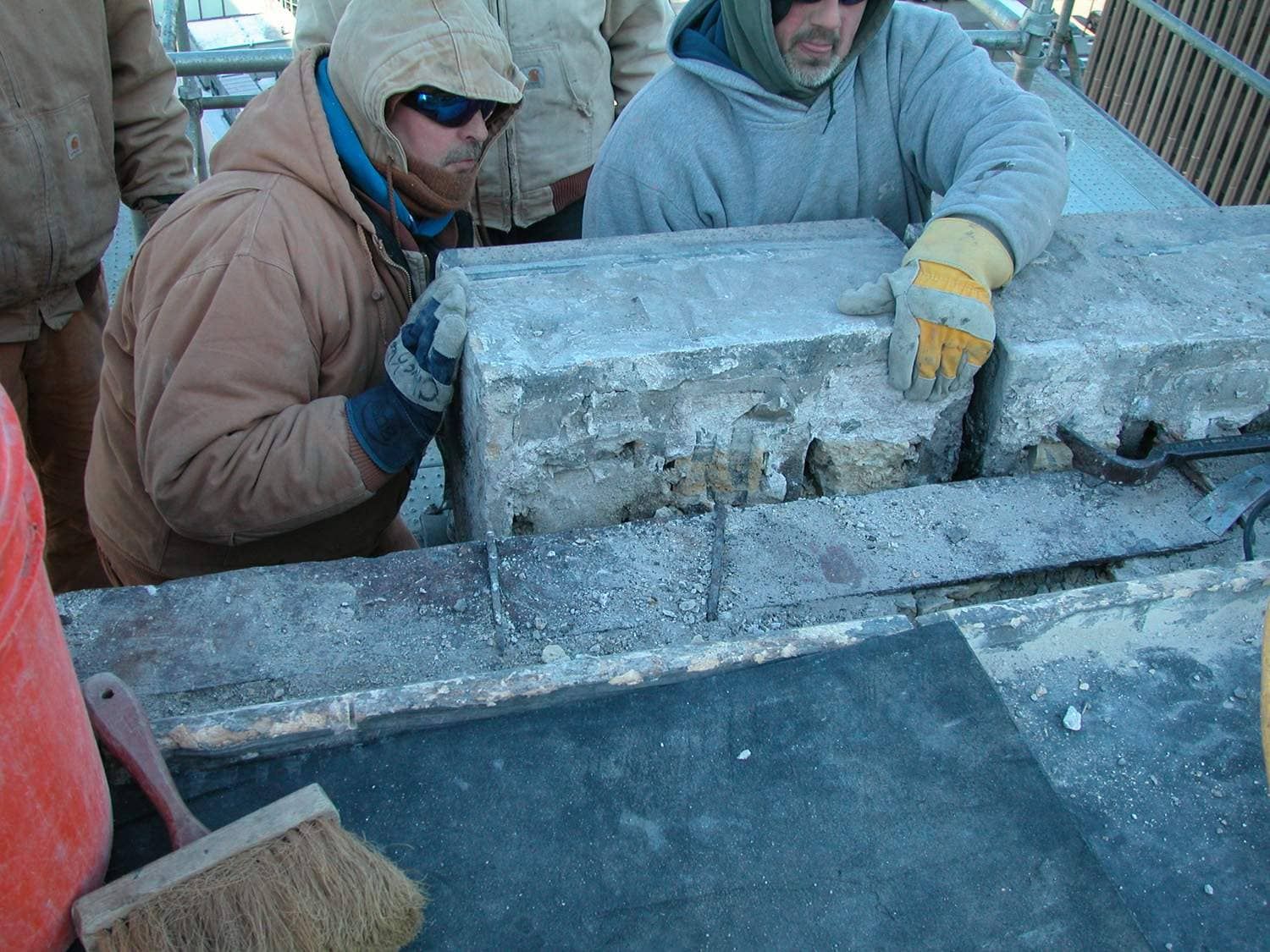
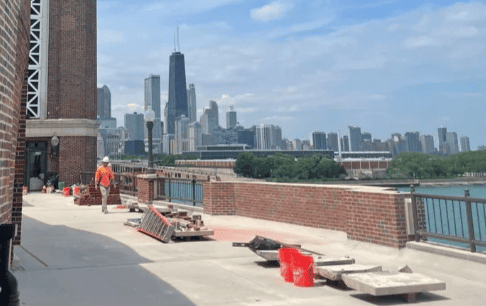
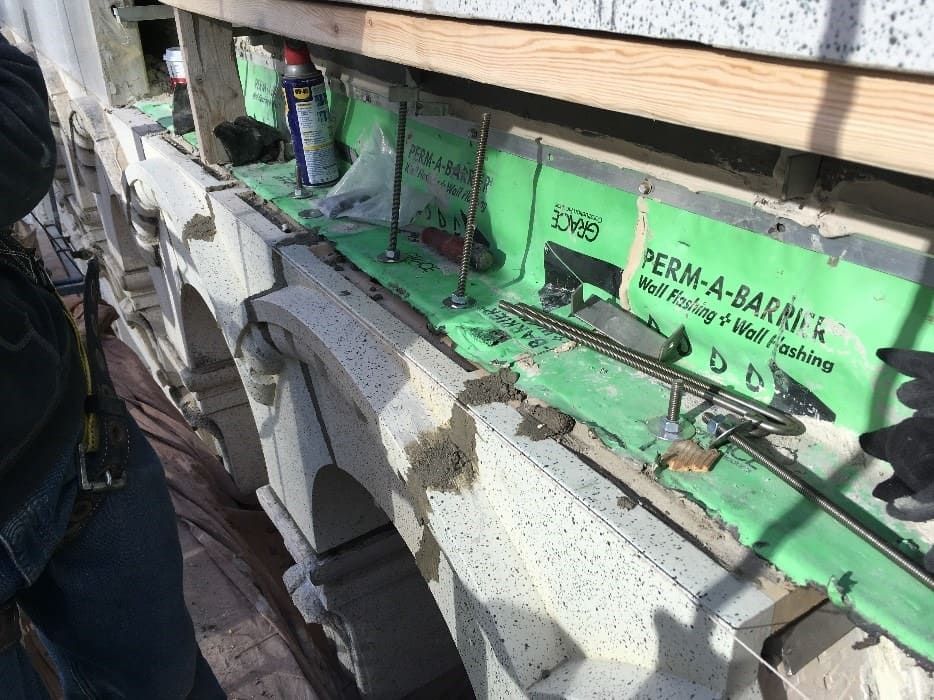
Chicago Navy Pier. Our large scope of work included removing and resetting masonry to access deteriorated steel and repairing the original structural steel. Masonry restoration, whether brick, terra cotta, or stone, is a comprehensive process, and we always use color and type-matched materials to return a historic building to its original condition.
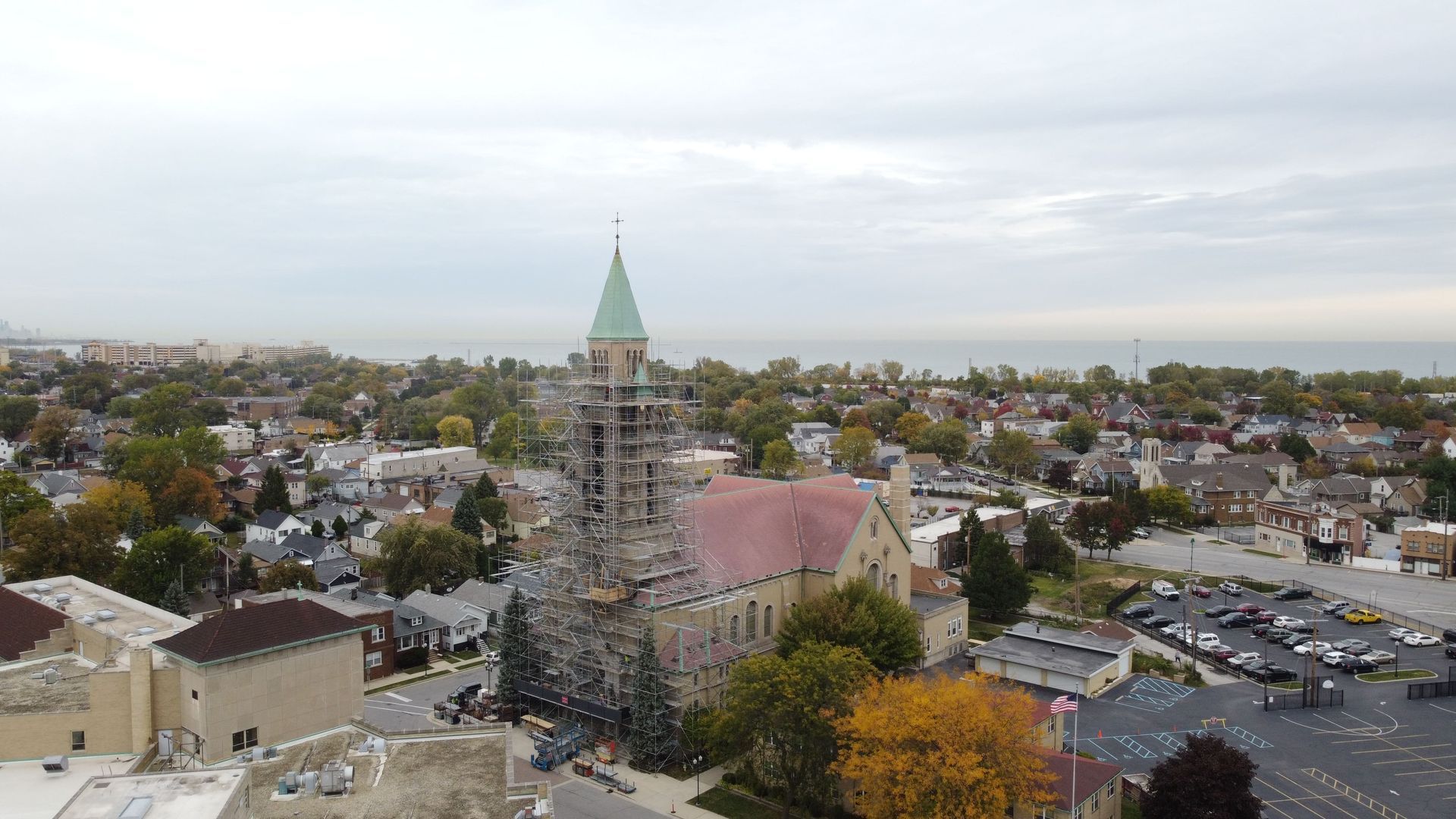
RestoreWorks is a trusted commercial masonry restoration and restorative cleaning company serving multiple industries, including museums, universities, churches, government, and commercial buildings.
Contact us when you need expert historic masonry restoration services.